
It hits around 6:00 PM on Sunday, and by 7:30 AM on Monday, it settles in like a heavy coat.
You open your inbox before your feet even hit the floor. You scan Slack or Teams not just to see what needs to be done, but to read the political weather. You’re a seasoned executive—a VP, a C-suite leader, a director who has spent fifteen or twenty years delivering results—and yet, you are quietly looking over your shoulder.
Another restructuring rumor. Another board meeting where “efficiency” is the operative word. Another peer who “decided to pursue other opportunities” overnight.
If you are waking up on Monday mornings feeling exhausted before the week begins, hyper-vigilant about your job security, and wondering how long you can keep sprinting on a treadmill you don’t own, you aren’t broken. You are experiencing the predictable burnout of single-point dependency.
The Myth of Corporate Security
For decades, the unspoken contract for high-performing leaders was simple: trade your autonomy, your evenings, and your peace of mind for a steady paycheck, health benefits, and the illusion of stability.
Today, that contract is void.
The higher you climb, the narrower the pyramid gets—and the bigger the target on your back becomes. When your entire livelihood, professional identity, and financial security are tied to a single W-2 employer, every board shift or quarterly miss feels like an existential threat. That constant low-grade panic isn’t just stressful; it is metabolically and emotionally exhausting. It’s Monday morning depression masquerading as “just part of the job.”
The Exit Ramp Most Executives Overlook
When burned-out executives start daydreaming about an escape, they usually picture two extremes:
- Grinding it out until a golden parachute or retirement.
- Quitting cold turkey to start a massive, capital-intensive business from scratch.
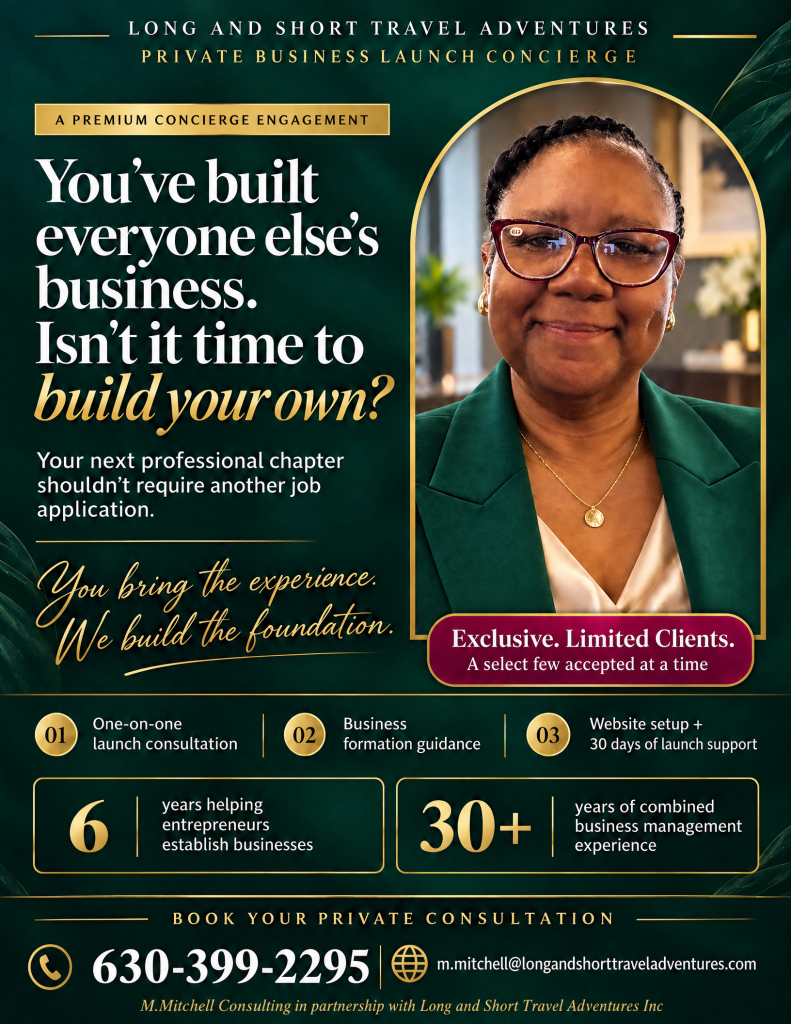
There is a third path—one that thousands of seasoned leaders are quietly using to reclaim their autonomy without starting over: becoming a fractional executive or strategic consultant.
You don’t need to invent a new skill set. You simply change how you package and sell the one you already have.
Why the Fractional & Consulting Model Changes Everything
- Diversified Risk (True Job Security): When you have one employer, losing your job means losing 100% of your income overnight. When you have three fractional clients, losing one means adjusting your schedule—not panicking about your mortgage.
- High-Impact Work, Less Politics: Companies hire fractional leaders and consultants to solve specific, high-value problems—scaling operations, fixing broken revenue engines, navigating transitions—not to sit through four-hour internal turf wars.
- Control Over Your Calendar: You trade the 60-hour corporate grind for focused, scope-defined retainers. Monday mornings stop feeling like a sentence and start feeling like a choice.
- You Already Have the Assets: Your frameworks, your hard-won scar tissue, your industry network, and your pattern recognition are worth a premium to mid-market companies and founders who can’t afford—or don’t yet need—a $300K+ full-time executive.
How to Start Without Blowing Up Your Life
You don’t have to resign tomorrow to build your off-ramp. In fact, the best time to design your transition is while you still have a steady paycheck:
- Name Your Core Problem-Solving Superpower: Strip away your corporate title. What is the exact, expensive problem companies pay you to fix?
- Productize Your Expertise: Define a clear 90-day advisory offer or fractional scope (e.g., 10 hours a week to build and lead a function) rather than vague “consulting.”
- Quietly Build Your Runway: Start having coffee chats with founders, private equity operators, and former peers—not asking for a job, but sharing the specific outcomes you help organizations achieve.
You Have Options
The heaviness you feel on Monday morning is a signal, not a life sentence. You didn’t spend two decades building executive-level mastery just to spend the next ten years hoping you survive the next org chart shuffle.
You are the asset—not your title. And you have more options than your current calendar wants you to believe.
If you’ve made the leap from full-time executive to fractional leader or consultant—or you’re currently navigating that transition—what was the turning point for you? Drop your thoughts in the comments.
https://longandshorttraveladventures.com/business-launch-concierge
Be the first to reply